
Nitric Oxide: The Unsung Hero of Heart and Blood Vessel Health
At our clinic, we are passionate about preventing disease before it starts, especially when it comes to the heart. Cardiovascular disease remains the leading cause of death in the United States, claiming the lives of 1 in 3 women and 1 in 4 men each year.
What many people do not realize is that heart disease develops silently, often decades before the first symptoms appear. By the time a heart attack or stroke occurs, the underlying damage has usually been progressing for years. The good news is that there is a lot we can do to prevent disease and slow disease progression. One way is by learning about a remarkable molecule called nitric oxide (NO).
Understanding Your Blood Vessels
Your blood vessels are much more than simple tubes that carry blood. Each vessel is made up of three main layers:
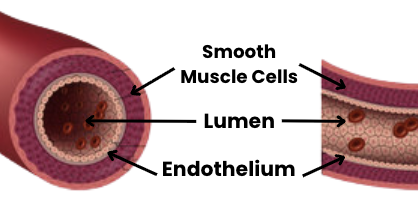
Smooth muscle cells on the outside, which help regulate vessel diameter
The lumen, or hollow center where blood flows
The endothelium, a single layer of cells that lines the inside of every blood vessel
This endothelial layer acts as the body’s control center for vascular health. It regulates blood flow, clotting, and immune activity. When it becomes damaged, a process that can start silently in your 20s or 30s (or even earlier!), it triggers inflammation, plaque buildup, and eventually can lead to heart disease.
How Plaque Forms and Why It Starts So Early
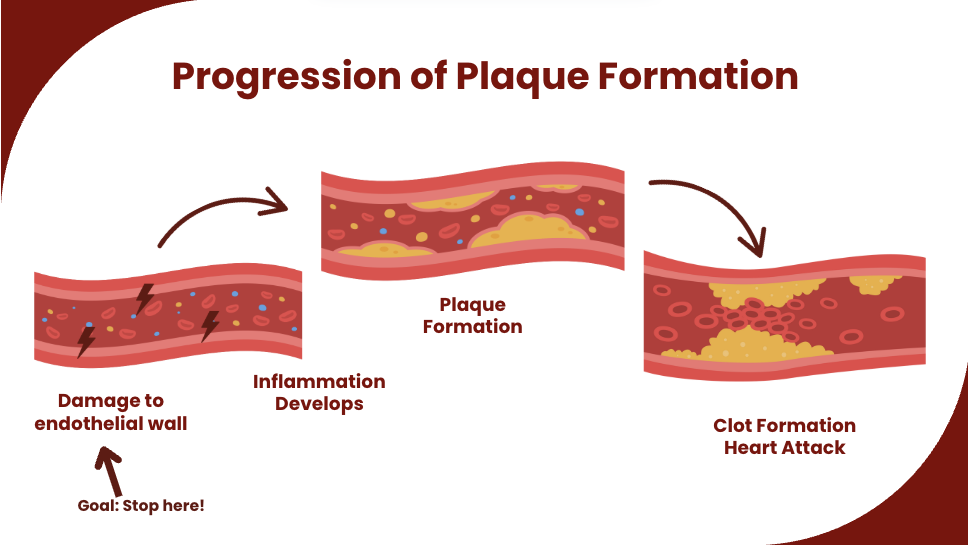
The first step in plaque formation is damage to the endothelial wall (Wang et al., 2024). Once that happens, inflammation develops at the site of injury. Over time, fats, cholesterol, and immune cells accumulate there, creating a plaque that can grow, rupture, and cause a heart attack or stroke.
The goal is simple: prevent damage to the endothelium before it starts.
What causes endothelial injury?
Chronic inflammation and oxidative stress
Infections (oral, gut, or systemic)
High blood pressure
Diabetes
High cholesterol
Smoking
Obesity and lack of physical activity
These changes often occur long before any visible signs of cardiovascular disease and can affect multiple organs, including the heart, brain, and kidneys.
The Infectious Side of Heart Disease
New research has revealed something fascinating: plaque formation may have an infectious component.
Studies show that bacteria and viruses can become trapped in the endothelium, triggering an immune response that accelerates inflammation and plaque buildup (Campbell et al., 2015). Researchers have found bacteria from the mouth, gut, and stomach (including H. pylori), as well as herpes viruses, embedded within arterial plaque.
This new perspective helps explain why oral health, gut health, and immune function are all linked to cardiovascular wellness.
Meet the Glycocalyx: Your Arteries’ Protective Barrier
So how do we protect our endothelium from damage and stop this process before it starts? Protecting your endothelium begins with safeguarding the glycocalyx, a thin, gel-like layer that coats the inside of every blood vessel. Discovered in 1963, the glycocalyx is made of carbohydrate, fat, and protein “fingers” that form a delicate but powerful protective shield.
Why the glycocalyx matters
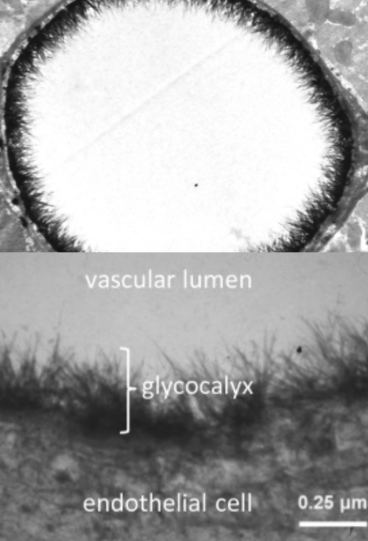
Images: Wiesinger et al., (2013).
Damage to the glycocalyx occurs before endothelial damage
A compromised glycocalyx makes blood vessels leaky
It regulates inflammation and prevents cholesterol from sticking
The motion of the glycocalyx stimulates nitric oxide production, which helps vessels relax and maintain healthy blood pressure
When the glycocalyx is damaged, arteries become stiffer, produce less nitric oxide, and are more prone to inflammation and plaque buildup (Qu et al., 2021).
A healthy glycocalyx means:
Relaxed, flexible arteries
Better nitric oxide production
Optimal blood flow and pressure
Reduced risk of plaque formation
How to Protect Your Glycocalyx and Endothelium
Reduce Inflammation
Focus on a whole-food, anti-inflammatory diet. Avoid processed foods, added sugars, and trans fats. Eat lots of colorful fruits and veggies.Maintain Healthy Blood Pressure and Blood Sugar
These two factors have a major impact on endothelial health.Support Nutrient Balance
Optimize vitamin D, omega-3 fatty acids, antioxidants, and a diverse microbiome.Address Oral and Gut Health
Periodontal infections and gut dysbiosis can both contribute to endothelial damage.Consider Targeted Supplements
Meet with Dr. Mitchell to explore supplements that support nitric oxide and vascular health.
Nitric Oxide: The Body’s Vascular Messenger
It was not until 1998 that the Nobel Prize in Medicine was awarded for the discovery of nitric oxide as a signaling molecule in the cardiovascular system.
What nitric oxide does
Acts as a messenger that tells your blood vessels to expand or contract
Relaxes smooth muscle, improving blood flow
Supports healthy blood pressure
Plays a role in immune regulation and cell communication
Without enough nitric oxide, arteries stiffen, blood pressure rises, and circulation suffers.
Boosting Nitric Oxide Naturally
1. Exercise
Movement creates shear stress, a gentle friction on the vessel walls that signals endothelial cells to make more nitric oxide. Start small if you aren’t active right now; even a brisk walk can help.
2. Diet
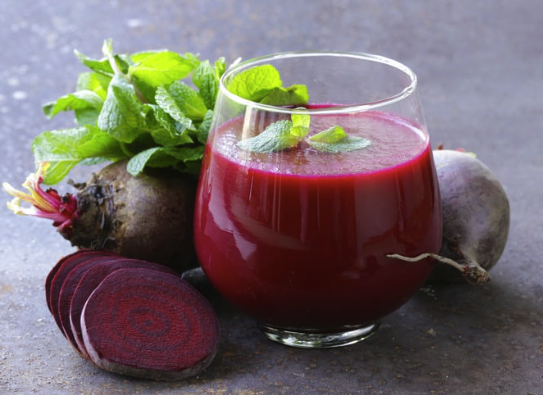
Eat foods rich in natural nitrates, which your body converts into nitric oxide. Aim for about 300 to 400 mg of nitrates per day.
Top sources include:
Beets and beetroot juice
Celery
Leafy greens such as spinach and arugula
Other foods that promote nitric oxide production or prevent its breakdown include:
Pumpkin seeds
Chicken, turkey, and eggs
Brazil nuts and chickpeas
Cruciferous vegetables like broccoli and cabbage
Seafood and watermelon
3. Supplement Support (Discuss with Your Doctor)
Some evidence-based supplements that may support nitric oxide include:
SuperBeets® Heart Chews – Beetroot and grape seed extract
L-Arginine – Up to 30 g per day has been shown to support nitric oxide production
L-Citrulline – 2.5 to 6 g per day
Vascanox HP – Combines beetroot, black garlic, berries, and vitamins to enhance nitric oxide bioavailability
How to Check Your Nitric Oxide Levels
Unlike invasive blood tests to measure other biomarkers, you can easily check your nitric oxide levels at home. Use a saliva test strip by applying a small drop of saliva, waiting two minutes, and comparing the color to the guide. The pinker it appears, the higher your nitric oxide level.
Stop by our clinic to pick up test strips and find out where your levels stand.
Takeaways
Cardiovascular disease does not begin in the heart. It starts in the blood vessel wall. By protecting your endothelium and glycocalyx and optimizing nitric oxide, you can keep your arteries flexible, your blood pressure balanced, and your heart healthy for life.
This is preventative medicine in action, and it demonstrates how gut health, oral health, and vascular health all connect within the body.
If you’d like to take a deeper dive into preventive cardiovascular health, check out our Cardiac Health and Longevity program or call today for more details (719) 238-6664.
Thanks to Lexi Rydland for her contributions to this content and research as part of her internship with GutWell Medical and Dr. Margaret Harris at the University of Colorado Colorado Springs (UCCS).
References:
Campbell, L. A., & Rosenfeld, M. E. (2015). Infection and Atherosclerosis Development. Archives of medical research, 46(5), 339–350. https://doi.org/10.1016/j.arcmed.2015.05.006
National Center for Health Statistics. Multiple Cause of Death 2018–2022 on CDC WONDER Database. Accessed May 3, 2024.
Qu, J., Cheng, Y., Wu, W., Yuan, L., & Liu, X. (2021). Glycocalyx Impairment in Vascular Disease: Focus on Inflammation. Frontiers in cell and developmental biology, 9, 730621. https://doi.org/10.3389/fcell.2021.730621
Wang, X., & He, B. (2024). Endothelial dysfunction: molecular mechanisms and clinical implications. MedComm, 5(8), e651. https://doi.org/10.1002/mco2.651
Wiesinger, A., Peters, W., Chappell, D., Kentrup, D., Reuter, S., Pavenstädt, H., Oberleithner, H., & Kümpers, P. (2013). Nanomechanics of the endothelial glycocalyx in experimental sepsis. PloS one, 8(11), e80905. https://doi.org/10.1371/journal.pone.0080905