
Creatine: Benefits, Safety, and How to Use It for Energy, Muscle, and Brain Health

If you have ever wondered, “Is creatine safe for women?” or “Do I need to take creatine if I am not a bodybuilder?”, you are not alone. Creatine is one of the most researched and effective supplements available, yet it is often misunderstood. Many people think of it as something only athletes or weightlifters use, but the truth is that it supports much more than muscle growth.
We often recommend creatine to support energy, brain health, recovery, healthy aging and maintenance of muscle mass during times of challenge. In this article we will cover what creatine does, who benefits from it, how to take it correctly, what to look for in a supplement, and how to use it during weight loss or recovery.
What Is Creatine?
Creatine is a naturally occurring compound that the body makes in the liver, kidneys and pancreas. It is also found in foods such as red meat and fish. About 95 percent of the body’s creatine is stored in muscle tissue, where it becomes phosphocreatine, a form that helps create energy for quick, intense movements.
Phosphocreatine helps regenerate ATP (adenosine triphosphate), the main energy molecule in the body. During high-intensity activities such as sprinting, jumping or lifting weights your body rapidly burns through ATP. Creatine helps recycle it, which means you can work harder, recover faster and maintain energy longer.
Not Just for Bodybuilders

One of the biggest myths about creatine is that it only benefits people who want to gain muscle for body building competitions. In reality, creatine is valuable for many people including endurance exercisers, older adults and those focused on long-term health.
Creatine has both anti-catabolic and anti-inflammatory effects, which means it can help protect muscle tissue and reduce soreness after exercise. It supports strength, recovery and energy whether you are running marathons, hiking long distances, doing yoga or working on maintaining muscle as you age.
Benefits of Creatine
Research reveals many benefits for both physical and cognitive health:
Improves exercise performance and muscle strength: Helps you produce more power and endurance during workouts (Wax et al., 2021).
Supports bone health: May help maintain or even improve bone density when combined with resistance training (Candow et al., 2025).
Enhances daily function and reduces fatigue in older adults: Helps preserve muscle and strength even in those who are not regularly exercising (Candow et al., 2025).
Speeds recovery between workouts: Reduces inflammation and muscle damage after intense activity (Wax et al., 2021).
Improves brain function and mental clarity: Supports energy metabolism in the brain, which may improve memory, focus and processing speed, especially under stress or sleep deprivation (Xu et al., 2024).
Creatine to Help with Muscle Loss and Recovery
Creatine can be especially helpful during times when you are unable to move or train normally, such as after an injury, surgery, or during bed rest. When activity levels drop, the body naturally begins to lose muscle mass and strength. This process, known as muscle atrophy, can happen quickly - sometimes within just a few weeks of reduced movement.
Supplementing with creatine during these times provides your muscles with an energy reserve that helps reduce the degree of atrophy and maintain lean tissue. It also supports recovery once you begin physical therapy or return to regular movement.
For people recovering from injury or illness, taking 5 to 10 grams of creatine per day can help preserve strength, support rehabilitation, and prevent metabolic slowdown that often accompanies inactivity.
Creatine for Weight Loss and Muscle Preservation
When people intentionally lose weight, they often lose not just fat but also valuable muscle tissue. This is especially true if calorie intake is restricted or protein intake is low. Losing muscle can slow metabolism, make it harder to keep weight off long-term, and reduce overall strength.
Creatine helps preserve lean muscle mass while promoting fat loss, so you can maintain a healthy metabolic rate and strong body composition as you lose weight. It keeps your muscles energized even when calories are lower and supports better recovery from exercise.
Adding resistance or strength training will further enhance these effects, but the good news is that creatine still provides benefits even if you are not a frequent weight lifter.
In our GutWell Medical Weight Loss Program, we have seen impressive results from patients who use creatine to support lean mass retention while losing body fat. For most people, a daily dose of 5 to 10 grams is effective for maintaining muscle and energy during a structured weight loss plan.
How to Take Creatine
Best Form
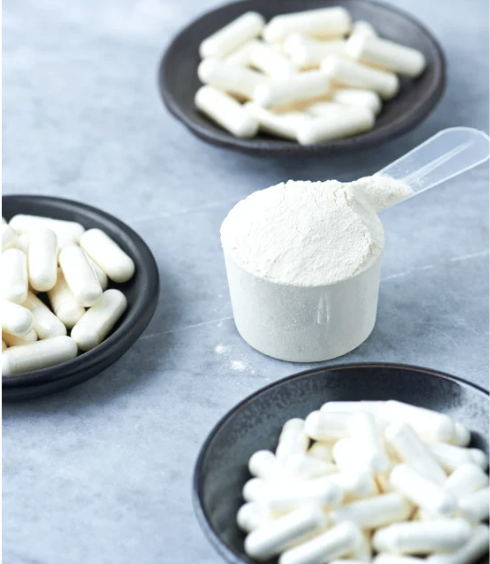
We recommend creatine monohydrate, the most studied and effective form. Powder is usually easier than capsules because it mixes well in water or smoothies and you need a lot of capsules to reach an effective dose.
Dosage
Start with 5 grams per day to saturate your muscle stores; this usually takes about three weeks. After that you may increase to 10 grams per day if you want additional benefits such as support for brain health and bone health. Divide the higher dose into 5 grams in the morning and 5 grams in the evening.
Why You Don’t Need a Loading Phase
A loading phase (high dose for a few days then lower maintenance) was once recommended to saturate muscle stores more quickly, but that strategy was more for maximizing workout benefits or preparing for competition. For daily use it is not needed; taking 5 grams daily over a few weeks will achieve muscle saturation without the higher dose phase.
Timing
You can take creatine at any time of day; consistency is more important than timing. However for maximum benefit for workouts, taking it just after your workout is ideal because muscle uptake is slightly enhanced at that time.
Bonus Tip: Creatine for Brain Energy or Jet Lag
Creatine doesn’t just support your muscles - it supports your brain, too. The brain uses large amounts of ATP to stay sharp, focused and calm. On days when your brain needs extra resilience, like after a bad night’s sleep, during jet lag or before a big presentation, consider increasing your dose to 10 grams that day as a “booster”. This can help buffer mental fatigue, support clarity and stabilize brain energy when you really need it.
Are There Any Side Effects?
Creatine is one of the safest and most well-studied supplements. Most people tolerate it very well. Some may notice mild water retention, especially when first starting, or mild digestive discomfort such as bloating. If this happens, simply take smaller doses (e.g., 2.5 grams in the morning and 2.5 grams in the evening) and make sure to stay well hydrated.
Creatine and Kidney Health
People often worry about creatine and kidney function. For those with healthy kidneys, creatine has not been shown to cause harm. It naturally breaks down into a compound called creatinine, which may appear slightly higher on blood tests. This is normal and not a sign of kidney damage when other kidney markers are normal. If you have existing kidney disease, talk to your healthcare provider before starting creatine or any new supplement.
How to Choose a High-Quality Creatine Supplement
Supplement quality matters. Look for:
Creatine monohydrate labeled as “Creapure®” - the cleanest and most well-researched form.
Third-party testing to verify purity and absence of contaminants.
Minimal fillers or unnecessary additives.
Looking for a good creatine? Check out our new OptiCreatine you can buy online or in store today!
The Functional Nutrition Perspective
Creatine is much more than a performance supplement. It supports cellular energy, brain function, muscle strength and healthy aging. Whether you are training hard, recovering from fatigue or injury, on a weight-loss journey or simply working to stay strong and active, creatine can be a valuable part of your wellness plan. As with any supplement, results depend on the bigger picture: hydration, sleep, whole-food nutrition and stress management all play an important role in how your body uses and benefits from creatine.
Frequently Asked Questions

Should women take creatine?
Yes. Women benefit from creatine just as much as men. It helps with energy, body composition and healthy aging, and may even support bone and brain health during perimenopause and menopause.
Should I take creatine on rest days?
Yes. Take it daily for best results, even on days when you are not exercising. Muscle stores build over time and consistency matters more than timing.
Does creatine cause weight gain?
Creatine may increase water inside muscle cells which can show as a small increase on the scale. This is not fat gain. In fact it reflects healthy muscle hydration and improved strength.
Can vegetarians or vegans benefit from creatine?
Absolutely. Since creatine comes mainly from animal foods, plant-based eaters tend to have lower baseline levels and often see even greater improvements when supplementing.
Can I take creatine with coffee or protein?
Yes. Creatine mixes well with water, smoothies, or protein shakes. Regarding caffeine, research is mixed. Some older studies suggested caffeine may blunt the performance-enhancing benefits of creatine, though more recent work indicates minimal effect when used together (Candow, 2022). For most people taking moderate caffeine with creatine is safe, but if your goal is maximal muscle adaptation you may choose to separate intake (for example caffeine before workout, creatine after) to err on the side of caution.
Key Takeaways
Creatine is safe and effective to support energy, muscle, bone, brain, and recovery.
The best form is Creapure® creatine monohydrate.
Take 5 to 10 grams daily, consistently - no loading phase required for daily use.
Use 5 grams per day as a baseline and 10 grams on days with poor sleep, travel fatigue or heavy mental demand.
Drink plenty of water, add strength training or resistance exercise if possible, and take smaller doses if you experience bloating or discomfort.
Disclaimer: This article is for educational purposes only and is not intended to replace medical advice. Always consult your healthcare provider before beginning new supplements..
References:
Candow, D. G., Forbes, S. C., Roberts, M. D., Roy, B. D., Antonio, J., Smith-Ryan, A. E., Rawson, E. S., Gualano, B., & Roschel, H. (2022). Creatine O'Clock: Does Timing of Ingestion Really Influence Muscle Mass and Performance?. Frontiers in sports and active living, 4, 893714. https://doi.org/10.3389/fspor.2022.893714
Candow, D. G., Kirk, B., Chilibeck, P. D., & Duque, G. (2025). The potential of creatine monohydrate supplementation in the management of osteosarcopenia. Current Opinion in Clinical Nutrition and Metabolic Care, 28(3), 235-239. https://doi.org/10.1097/MCO.0000000000001118
Candow, D. G., & Moriarty, T. (2025). Effects of creatine monohydrate supplementation on muscle, bone and brain- hope or hype for older adults? Current Osteoporosis Reports, 23(1), 1. https://doi.org/10.1007/s11914-024-00895-x
Wax, B., Kerksick, C. M., Jagim, A. R., Mayo, J. J., Lyons, B. C., & Kreider, R. B. (2021). Creatine for exercise and sports performance, with recovery considerations for healthy populations. Nutrients, 13(6), 1915. https://doi.org/10.3390/nu13061915
Xu, C., Bi, S., Zhang, W., & Luo, L. (2024). The effects of creatine supplementation on cognitive function in adults: a systematic review and meta-analysis. Frontiers in nutrition, 11, 1424972. https://doi.org/10.3389/fnut.2024.1424972