
What Is a CT Angiogram and Why I Chose This Preventive Heart Scan
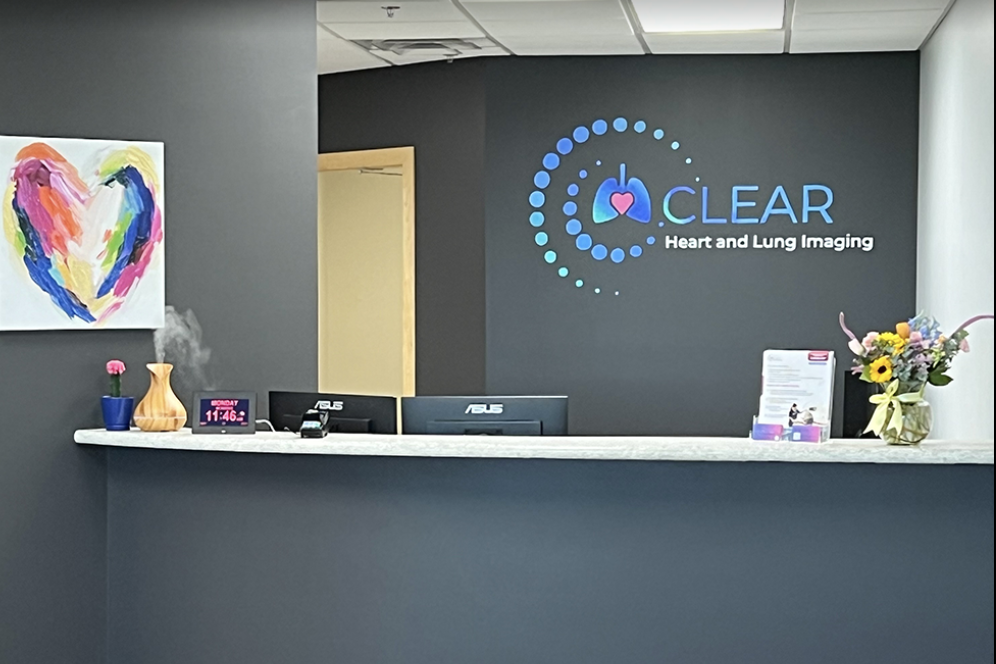
As a functional gastroenterologist, I spend my days helping patients think proactively about their health. I am especially passionate about preventive cardiac care due to my own journey. Recently, I drove up to Clear Heart and Lung Imaging in Loveland for a state of the art CT angiogram of the heart. A CT angiogram, often called a CTA, provides a detailed look at the coronary arteries and can show soft plaque (which a CT calcium score cannot). This level of insight can be lifesaving, especially for people with a family history of heart disease or those with elevated markers like Lipoprotein(a).
My Personal Cardiac Story
My vascular journey started when my mother had a heart attack at age 62. When I reached that same age I became motivated to understand my own cardiovascular risk. I completed advanced functional lab testing and learned that my Lipoprotein(a) level was high. Since I am 50% Scandinavian (from my mom’s side), I was not surprised because elevated Lp(a) is more common in that population. Lipoprotein(a), often written as Lp(a), is a genetically determined cholesterol particle that is extra “sticky” and increases cardiovascular risk independent of LDL. High Lp(a) levels are especially important in the context of CT angiography because they significantly raise the likelihood of developing soft plaque. Soft plaque is the unstable type that can rupture and cause sudden artery blockages.

Around this time I also had my first CT calcium score. A calcium score detects hard calcified plaque located along the vessel wall (but does not show soft plaque). When I received my scan results, I learned that I had calcified plaque in my right coronary artery. This was alarming because it was the same artery that had been occluded in my mother.
I immediately scheduled a CT angiogram (CTA) at the local hospital in Colorado Springs to get more information. That first CTA showed less than 15% narrowing, which was great news. My second CTA one year later was also stable. My third CTA, however, reported an 85% occlusion in my right coronary artery, which was really scary to find out. I did not have symptoms, but the report suggested something had changed dramatically within one year. My LDL was around 140 and my Lp(a) was near 200 (quite high), so I knew I was at higher risk for development of heart disease.
I met with my cardiologist to discuss options. We talked about medical management or heart catheterization. The stress of the report had already triggered chest discomfort, which may have been anxiety but I could not be sure. I decided to move forward with the catheterization. To my relief, the interventional team reported that my arteries looked good and that the CTA finding of 85% occlusion had been a false positive.
Understanding Radiation Exposure in CTA
Around this time I was reading the book Outlive by Peter Attia. He emphasizes the importance of preventive cardiac screening, and also understanding radiation exposure when considering this imaging. I contacted the local hospital where I had the CTAs done to ask about the radiation dose, and they were unsure but estimated it was similar to a CT of the abdomen and pelvis, which is about 20 mSv. I eventually managed to speak with the medical physicist for the hospital and he agreed it was between 16-20 mSv. For comparison, the average annual radiation exposure for someone in the US is about 6 mSv. This radiation is due to natural background radiation from radon gas, cosmic rays, the Earth’s soil, or from other medical scans or exams.
The uncertainty about radiation exposure pushed me to search for a more advanced option. This is how I found Clear Heart and Lung Imaging in Loveland.
Why I Chose Clear Heart and Lung Imaging in Loveland
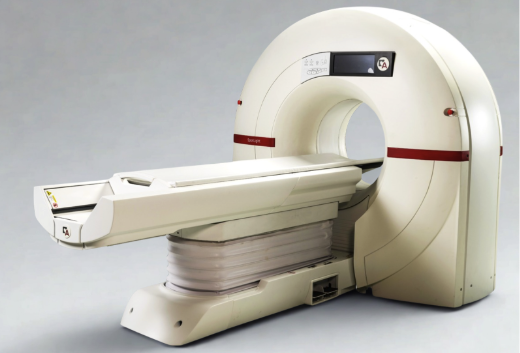
Image from: https://www.arineta.com/spotlight-duo/
Clear Heart and Lung Imaging uses a state of the art single beat CT angiography system. This means the scanner captures all images within the time it takes for your heart to complete only one heartbeat (about 1/4 of a second). This is compared to typical hospital CTA machines which take around 6 seconds to image the heart, thus dramatically increasing your exposure to radiation. The result is incredibly sharp imaging with very low radiation exposure. The typical radiation dose at this facility ranges from 1 to 3 mSv, compared to 16-20 mSv from the hospital scanners.
During my visit, the technician explained each step of the process. Patients receive a vasodilator to lower blood pressure and improve flow of the contrast dye. A heart rate of sixty beats per minute or lower is necessary because slower heart rates create clearer images. Medications are sometimes used to reach that target safely.
During my visit I also had the chance to sit down with the owner of the facility, Kim Mischo (former cardiology administrator), to discuss how this type of imaging compares to other common cardiac screening tests. She explained that CT calcium scoring is a helpful place to start but has significant limitations. Some patients have a calcium score of zero yet still require an emergency stent due to soft plaque that never appeared on a calcium scan. Other patients have high calcium scores but very stable plaque that is not as dangerous.
Why Soft Plaque Matters
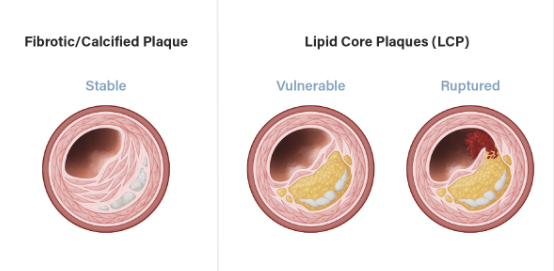
Soft plaque protrudes into the vessel and is more unstable than calcified plaque. It can break off and cause a downstream blockage if blood pressure spikes. This is why heart attacks can occur slowly due to plaque progression or suddenly due to plaque rupture.
A CT angiogram reveals both calcified and soft plaque, which provides a complete picture of your true coronary artery disease risk. This is one of the major advantages of CTA screening.
What Makes Clear Heart and Lung Imaging Unique
Clear Heart and Lung Imaging is the only open access facility in Colorado with this level of CTA technology. There are only two of these scanners in the entire state. Patients fly in from all over the United States for this test due to the low radiation, superior imaging quality and expert interpretation.
The scans are read by Dr. Matt Budoff, a renowned cardiologist at UCLA, along with 20 other cardiologists that train under Dr. Budoff to learn how to read CTAs. Once the CTAs are complete, if moderate soft plaque is detected they are sent to an artificial intelligence company for analysis that gives even greater details about the location, composition, and stability of the plaque. Certain locations carry a higher risk of future cardiovascular events, so this insight is extremely valuable.
Who Should Consider a CT Angiogram

A CT angiogram may be helpful if you have:
A family history of early heart disease
Elevated Lipoprotein(a)
High LDL cholesterol
Diabetes or metabolic syndrome
A calcium score that raises questions
Chest discomfort or unexplained symptoms
A desire to understand your heart disease risk in a more complete way
CTA is not typically covered by insurance. Clear Heart and Lung is participating in clinical trials to demonstrate that CTA should be a screening tool for cardiovascular disease. Early identification is clinically effective but not always cost effective for insurance companies, which is why coverage remains limited.
Risks and Benefits
CTA requires contrast dye, so patients with significant kidney disease or allergies to contrast need special consideration. Otherwise the test is considered safe. The radiation exposure at Clear Heart and Lung Imaging is extremely low compared to traditional scanners. The major benefit is the ability to see both soft and hard plaque, which gives a clear and comprehensive understanding of your cardiovascular risk.
Final Thoughts
My results came back with no significant narrowing or unstable soft plaque, which is great news! I will use this test every 3 years or so to track progress on how my lifestyle interventions, supplements, and medications affect any progress of my cardiac disease.
Medicare and major insurance companies will often cover this test if a patient has symptoms. Hopefully someday they will also cover it for preventive screening.
Preventive heart screening has played a major role in my personal health journey. A CT angiogram is one of the most advanced tools available for detecting early coronary artery disease and uncovering soft plaque that other tests miss. My experience at Clear Heart and Lung Imaging was outstanding. The technology, the low radiation, and the expert interpretation make this one of the most valuable preventive tests available today.
If you are interested in learning more and getting started with preventive cardiac screening, schedule an appointment today.